
Ledger Live Desktop® — Starting Up Your Device | Ledger
Ledger Live Desktop introduces essential desktop wallet management concepts, covering Ledger device connectivity, account organization, crypto tracking, application management, transaction review, and security practices.
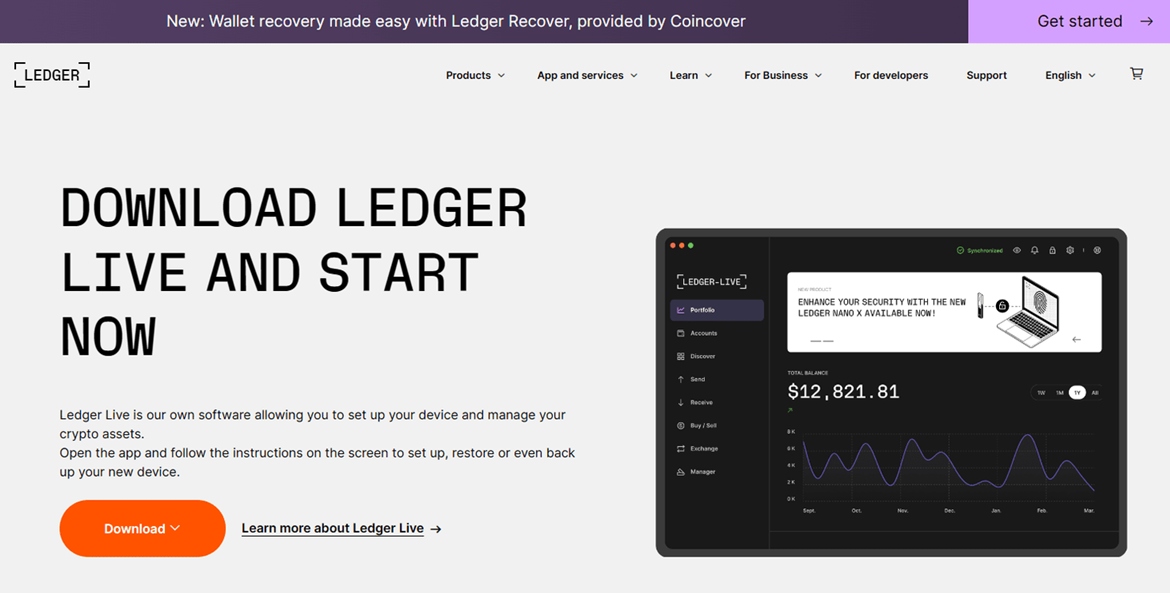
Ledger Live Desktop – Secure Desktop Guide for Managing a Ledger Wallet
Ledger Live Desktop is a widely searched term for the desktop software used with Ledger hardware wallets. The companion software gives users a computer-based interface for viewing supported crypto accounts, managing assets, installing applications, and interacting with a connected Ledger device.
Ledger's companion software is now known as Ledger Wallet, while the former Ledger Live name remains familiar to many users. If you are searching for Ledger Live Desktop, Ledger Live download, Ledger desktop wallet, or Ledger Wallet for PC, understanding the current software terminology can make the setup process easier.
What Is Ledger Live Desktop?
Ledger Live Desktop refers to the desktop version of Ledger's companion wallet software. It is designed to work with compatible Ledger hardware wallets and provides tools for managing supported digital assets.
The desktop application does not replace the physical hardware wallet. Instead, the computer application provides the user interface while the Ledger device is used for important security operations and transaction confirmation.
This combination allows users to view wallet information on a larger desktop screen while keeping sensitive wallet operations connected to their physical device.
Ledger Live Desktop and Ledger Wallet
The name Ledger Live remains common across search engines, tutorials, and older references. Ledger's current companion software uses the name Ledger Wallet.
As a result, users searching for "Ledger Live Desktop" may actually be looking for the current Ledger Wallet desktop experience.
Common searches include:
• Ledger Live Desktop
• Ledger Live download
• Ledger desktop app
• Ledger Wallet
• Ledger Wallet app
• Ledger hardware wallet setup
• Ledger Live login
These terms can describe different parts of the same general wallet-management workflow, but users should always verify current product names and software availability through official Ledger resources.
Getting Started With the Desktop App
Before installing the software, prepare your compatible Ledger hardware wallet and desktop computer.
Use Ledger's official website to locate the current desktop application. Avoid downloading wallet software from unknown websites, unofficial file-sharing pages, or links received through unexpected messages.
After downloading the appropriate application, complete the installation and open Ledger Wallet.
The application can then guide you through connecting and configuring your compatible Ledger device.
Connect Your Ledger Hardware Wallet
Connect the Ledger device using a supported cable or connection method.
Once connected, the desktop application may display instructions for identifying and configuring the device. Follow the instructions shown on the computer and the hardware wallet.
When information needs to be confirmed on the physical device, carefully review it before approving.
The hardware wallet provides an important security layer because transaction authorization can require physical interaction with the device.
Complete Ledger Device Setup
A new Ledger hardware wallet needs to be initialized before it can be used for normal wallet management.
The setup process can include creating a device PIN and generating wallet recovery information. Exact steps can vary according to the Ledger model and current software version.
Take your time during this stage. The recovery information is particularly important because it can be required for supported wallet recovery procedures.
Protect Your Recovery Phrase
Your wallet recovery phrase should remain private at all times.
Write it down exactly as instructed and store the physical backup in a secure location. Do not photograph it or save it in an email, cloud account, text document, password manager, or messaging application unless Ledger's official documentation specifically directs you to use a supported recovery procedure.
Never give the complete recovery phrase to someone claiming to be technical support.
If a website or message asks you to "verify" your Ledger wallet by entering the recovery phrase, treat the request as suspicious and stop before providing any information.
Using Ledger Live Desktop for Account Management
After the hardware wallet has been configured, Ledger Wallet can provide a central desktop interface for supported account-management tasks.
Depending on your device, asset, and current software version, available features can include:
• Adding supported cryptocurrency accounts
• Viewing balances
• Checking transaction history
• Installing compatible cryptocurrency applications
• Receiving digital assets
• Sending supported assets
• Monitoring portfolio information
• Managing compatible hardware-wallet settings
Not every cryptocurrency or feature is available on every Ledger model, so supported assets and functions should be checked before beginning a transaction.
Adding a Crypto Account
To manage a supported cryptocurrency, you may first need to install the appropriate application on your Ledger hardware wallet.
The desktop wallet interface can guide you through this process. After the required application is installed, follow the account-creation instructions shown in Ledger Wallet.
Use the correct asset and account throughout the process and verify important receiving information directly on the hardware device.
Receiving Cryptocurrency With Ledger Wallet
When receiving cryptocurrency, select the appropriate account and generate the receiving address.
For valuable transfers, do not rely solely on the address displayed on your computer screen. Compare the address shown in the application with the information displayed on your Ledger device.
Also verify that the cryptocurrency and network are correct. Network mismatches can cause transactions to be sent incorrectly.
Sending Cryptocurrency From the Desktop App
Ledger Wallet can provide the interface for creating supported transactions.
Enter the recipient address and amount carefully. Before confirming, review the transaction information displayed by your Ledger hardware wallet.
Check the recipient address, asset, amount, and other available transaction details. Only approve the transaction after confirming that the information matches what you intended.
Blockchain confirmation times and transaction status depend on the network being used.
Ledger Live Desktop Security Practices
Safe desktop wallet management starts with using legitimate software.
Always obtain Ledger Wallet through official Ledger resources. Keep your operating system updated and avoid installing unknown programs on the computer used to manage your hardware wallet.
Never share your device PIN or recovery phrase.
Be cautious when searching for "Ledger Live login." Hardware wallets should not require you to type your recovery phrase into a random online login page. If a website requests sensitive wallet information unexpectedly, leave the page and access Ledger's official website directly.
Ledger Live Login Explained
The phrase Ledger Live login is still frequently used because Ledger Live was the previous name of Ledger's companion software.
A Ledger hardware wallet is different from a conventional online banking account. Users should not enter their recovery phrase or device PIN into an unfamiliar website claiming to provide Ledger Live access.
For desktop wallet management, open the legitimate Ledger Wallet application installed from an official Ledger source.
Keeping Ledger Wallet Updated
Software updates can introduce compatibility improvements, new features, security changes, and support for additional functionality.
When an update becomes available, use the official Ledger application and follow the instructions appropriate for your device.
Avoid downloading updates from pop-ups, advertisements, unsolicited emails, or third-party websites.
When Ledger Live Desktop Does Not Detect a Device
If your Ledger device is not recognized, first check the physical connection and make sure the cable is appropriate for data communication.
Restarting the application can sometimes help with temporary connection issues. You should also check whether your Ledger model and operating system are supported by the current software version.
If the issue remains, consult official Ledger support documentation for the specific hardware model instead of installing unofficial software or drivers.
Ledger Live Desktop Setup Checklist
Before managing cryptocurrency through the desktop application, verify the following:
• Official Ledger software has been installed
• The correct Ledger hardware wallet is connected
• Device initialization has been completed
• Your PIN remains private
• Your recovery phrase is stored securely offline
• Required crypto applications are installed
• Correct accounts have been added
• Receiving addresses are checked on the hardware device
• Transaction details are verified before approval
• Suspicious login or verification requests are avoided
Why Use Ledger Wallet on Desktop?
A desktop interface can make it convenient to review accounts and transaction information on a larger display.
Ledger Wallet can provide the software environment for managing supported assets, while the physical Ledger hardware wallet remains involved in important authorization steps.
This separation between the desktop interface and hardware device is a central part of the Ledger hardware-wallet workflow.
Frequently Asked Questions
What is Ledger Live Desktop?
Ledger Live Desktop is a common name used for Ledger's desktop companion-software experience. Ledger's current software branding uses the name Ledger Wallet.
Is Ledger Live the same as Ledger Wallet?
Ledger Wallet is the current name for Ledger's companion application that was previously known as Ledger Live.
Where should I download the Ledger desktop app?
Use Ledger's official website and official software distribution channels. Avoid third-party download sources.
Does Ledger Live Desktop store my recovery phrase?
Your recovery phrase should remain private and should not be entered into an unexpected desktop application, website, or form.
Do I need a Ledger hardware wallet?
The desktop companion software is designed to work with compatible Ledger hardware wallets for hardware-based wallet management and transaction authorization.
Final Thoughts
Ledger Live Desktop remains a popular search term for users looking for Ledger's desktop wallet software. The current companion application is known as Ledger Wallet and works alongside compatible Ledger hardware wallets.
From initial device setup to account management and transaction review, the desktop application provides the interface while the physical hardware wallet remains an important component of the security workflow.
For a safer experience, use official Ledger software, keep your recovery phrase private and offline, verify addresses directly on the hardware device, and never provide sensitive wallet credentials to an unfamiliar website or person.
Updated about 4 hours ago