
Ledger® Live Wallet— Getting Started™ | official Ledger™ Live App
Ledger Live wallet provides useful information for managing supported crypto accounts, connecting Ledger hardware, monitoring digital assets, reviewing transactions, and understanding wallet security.
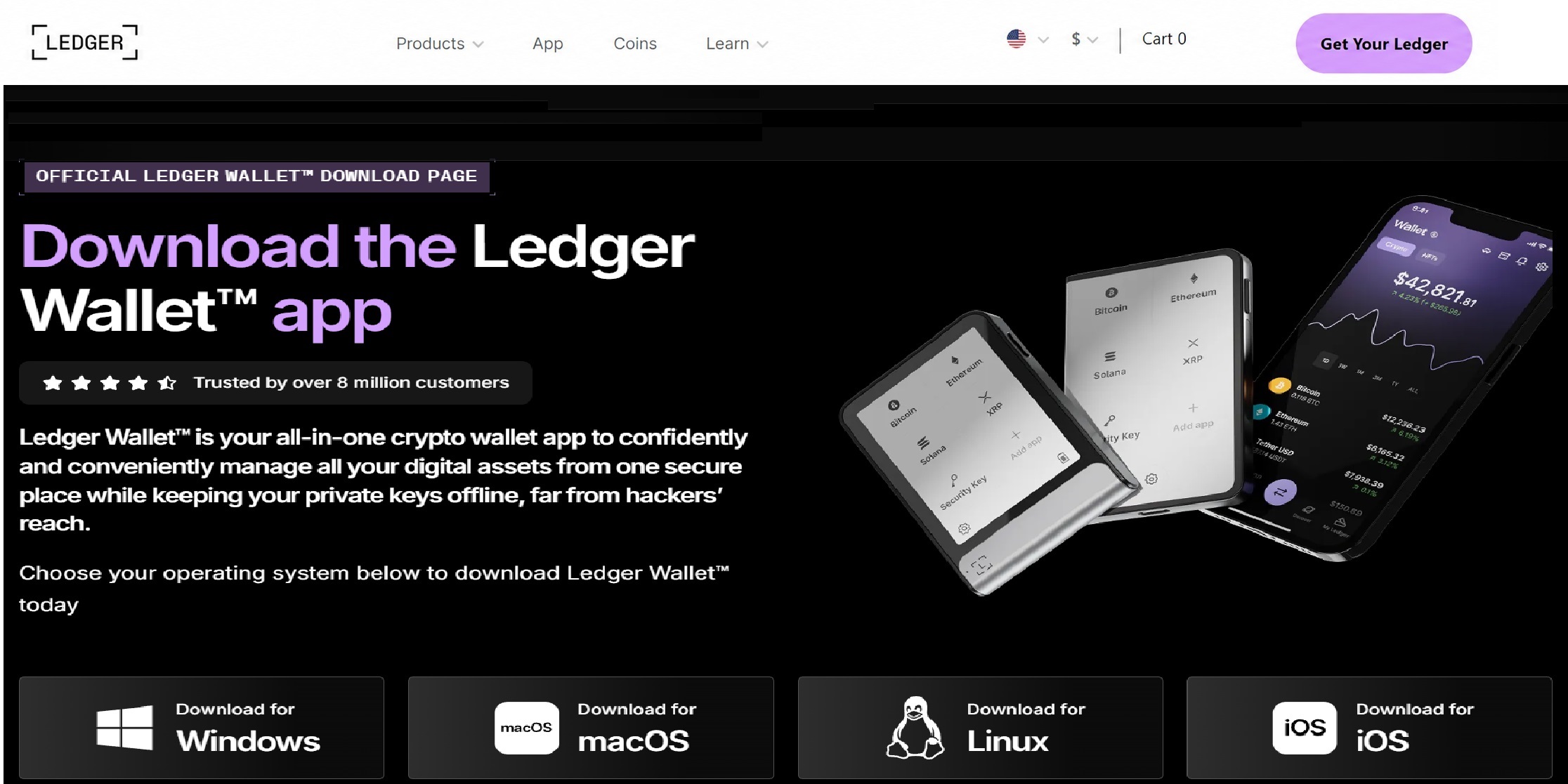
Ledger Live Wallet – Complete Guide to Ledger Wallet Setup and Management
Managing digital assets with a hardware wallet requires both a physical security device and companion software. Ledger Live Wallet is a commonly searched term for Ledger's wallet-management software and the experience associated with Ledger hardware wallets.
Ledger's companion application is now branded Ledger Wallet, although many users still search for it as Ledger Live, Ledger Live Wallet, or the Ledger Live app. The software provides an interface for connecting a compatible Ledger device, managing supported accounts, viewing balances, installing cryptocurrency applications, and reviewing transactions.
What Is Ledger Live Wallet?
Ledger Live Wallet is a familiar name used by people looking for Ledger's companion wallet application. The software was historically known as Ledger Live and is now presented under the Ledger Wallet name.
The application works alongside a compatible Ledger hardware wallet. Rather than replacing the physical device, the software provides a convenient interface for managing supported cryptocurrency accounts while important security and authorization operations involve the hardware wallet.
Ledger Wallet App and Ledger Live
If you are searching for the Ledger Live wallet app, Ledger Live download, or Ledger Wallet app, it is useful to understand the naming.
Ledger's current companion software uses the Ledger Wallet name, while Ledger Live remains a widely recognized former name and search term.
Users may therefore encounter both terms when researching:
• Ledger Live Wallet
• Ledger Live app
• Ledger Wallet
• Ledger Wallet app
• Ledger desktop wallet
• Ledger hardware wallet
• Ledger Live setup
When downloading software, always verify that you are using an official Ledger source rather than relying on an unfamiliar website.
Getting Started With Ledger Wallet
Before setting up the wallet application, prepare your compatible Ledger hardware wallet and supported computer or mobile device.
Use the official Ledger website to locate the appropriate software. Avoid unofficial download pages, suspicious advertisements, and links received through unexpected messages.
After installing the application, connect your Ledger hardware wallet and follow the setup instructions provided by the software and physical device.
Connect Your Ledger Hardware Wallet
A Ledger hardware wallet works together with the companion application.
The software can display account information and provide controls for supported wallet activities, while the hardware device is involved in important security operations and transaction confirmation.
After connecting your device, carefully follow the instructions shown on both the application and the physical hardware wallet.
When important transaction information appears on the device, review it carefully before approving.
Set Up a New Ledger Wallet
A new Ledger device must be initialized before normal wallet management begins.
Depending on your model and current software version, setup can include creating a PIN, generating recovery information, installing required device applications, and adding supported cryptocurrency accounts.
Follow the instructions specifically provided for your Ledger model rather than relying on instructions intended for another device.
Protect Your Recovery Phrase
Your recovery phrase is an essential part of wallet security.
Write down the recovery information exactly as instructed during wallet creation and keep it in a secure offline location.
Do not share the recovery phrase with anyone. Avoid storing it as a screenshot, photograph, email, cloud document, or online note.
A person who obtains your recovery information may potentially gain access to the associated wallet, so it should be treated as confidential.
Ledger Live Login and Account Access
Many users search for Ledger Live login when trying to access Ledger software.
However, a Ledger hardware wallet should not be treated like an ordinary online account where you enter sensitive wallet information into a website.
Be careful with websites that use terms such as "Ledger Live login," "Ledger wallet verification," or "Ledger account recovery" while requesting your recovery phrase or device PIN.
For wallet management, use the official Ledger Wallet software and follow Ledger's published security guidance.
Managing Accounts With Ledger Wallet
Once your hardware wallet is configured, Ledger Wallet can provide access to supported account-management features.
Depending on the device, asset, and current software version, you may be able to:
• View supported cryptocurrency balances
• Review transaction history
• Add supported accounts
• Install cryptocurrency applications
• Receive digital assets
• Send supported assets
• Monitor portfolio information
• Manage compatible Ledger devices
Available features can vary, so check the current support information for the asset and Ledger model you use.
Installing Crypto Applications
Some supported cryptocurrencies require an application to be installed on the Ledger hardware wallet.
Ledger Wallet can provide an interface for managing these applications. Select the appropriate asset and follow the instructions displayed by the official software.
Keep your hardware wallet connected during required installation steps and avoid interrupting the process unless instructed to do so.
Receiving Crypto Through Ledger Live Wallet
To receive cryptocurrency, select the appropriate account and generate a receiving address.
Before using the address for an important transfer, verify it on the Ledger hardware wallet. Comparing the information shown by the application with the physical device provides an additional opportunity to detect unexpected changes.
Always confirm that the cryptocurrency and network are correct before sending funds.
Sending Cryptocurrency
Ledger Wallet can also provide an interface for creating supported outgoing transactions.
Enter the destination address and amount carefully. Before approving the transaction, review the relevant information displayed on the Ledger hardware wallet.
If the information does not match your intended transaction, do not approve it. Investigate the discrepancy first.
Transaction confirmation and processing times depend on the underlying blockchain network.
Ledger Live Wallet Security Tips
Safe wallet management begins with protecting both your software and recovery information.
Download Ledger Wallet only from official Ledger resources. Keep your device PIN private and never disclose your recovery phrase.
Be cautious with websites that claim your wallet needs an urgent verification or security update. Do not follow unexpected instructions that ask you to reveal confidential wallet information.
For transactions involving significant amounts, carefully verify the destination address and other transaction details directly on your Ledger device.
Using Ledger Wallet on Desktop
Ledger Wallet can provide a desktop experience for users who prefer managing cryptocurrency from a computer.
A larger screen can make it easier to review account balances, transaction activity, and portfolio information.
The desktop application remains a companion to the hardware wallet rather than a replacement for it. Important wallet operations can still require confirmation on the physical device.
Using Ledger Wallet on Mobile
Depending on the current supported devices and software versions, Ledger provides mobile options for compatible wallet-management activities.
Mobile users should follow the official Ledger documentation for their particular hardware model and operating system.
As with desktop use, never enter your recovery phrase into an unexpected application or website.
Ledger Live Wallet Setup Checklist
Before using your wallet regularly, make sure you have:
• Installed the official Ledger Wallet software
• Connected your compatible Ledger hardware wallet
• Completed device initialization
• Created and protected your PIN
• Recorded your recovery phrase securely
• Installed required cryptocurrency applications
• Added the appropriate accounts
• Verified receiving addresses on the hardware device
• Reviewed transaction details before approval
• Avoided unofficial wallet and login websites
Frequently Asked Questions
Is Ledger Live Wallet still the official name?
Ledger's companion software is currently branded Ledger Wallet. Ledger Live remains a widely used former name and search term.
What is the Ledger Wallet app used for?
The Ledger Wallet app provides an interface for managing supported cryptocurrency accounts and interacting with compatible Ledger hardware wallets.
Is Ledger Live login required?
Be cautious about websites that advertise a Ledger Live login and request sensitive wallet information. Ledger hardware-wallet management should use official software and supported authentication processes.
Where should I download Ledger Wallet?
Use official Ledger resources for downloading the companion application. Avoid unofficial software repositories and suspicious links.
Can I store my recovery phrase online?
Your recovery phrase should be kept private and securely stored offline according to Ledger's security guidance. Do not share it with websites, messages, or unknown applications.
Final Thoughts
Ledger Live Wallet remains a popular search phrase for users researching Ledger's cryptocurrency-management software. The current companion application is known as Ledger Wallet, while Ledger Live continues to be familiar terminology among existing users.
The software provides an interface for supported accounts, applications, transactions, and portfolio information, while the Ledger hardware wallet remains an important part of the security and transaction-authorization process.
For a safer wallet experience, use official Ledger software, protect your recovery phrase offline, keep your PIN private, and carefully verify important transaction details on the physical hardware wallet.
Updated about 4 hours ago