
Ledger®® Live: Desktop® — Getting Started | official Ledger™
Understand Ledger Live Desktop with guidance covering Ledger wallet connectivity, desktop account management, portfolio monitoring, supported applications, transaction review, and important security practices.
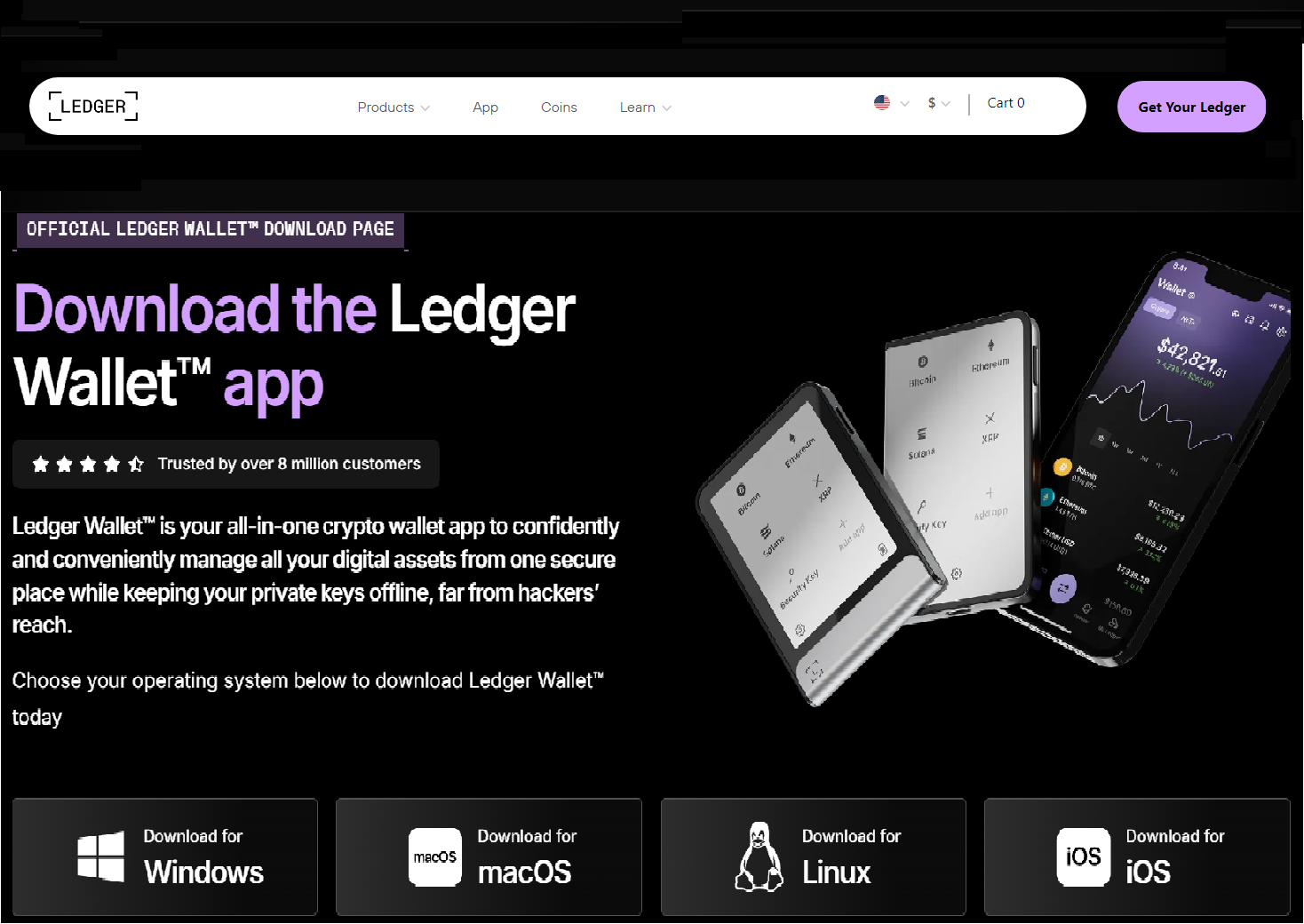
Ledger Live Desktop – Complete Guide to the Ledger Desktop Wallet App
Managing cryptocurrency from a desktop computer can be easier when your hardware wallet and companion software work together. Ledger Live Desktop was the desktop application associated with Ledger hardware wallets and is still a common search term for users looking for Ledger's desktop wallet-management software.
Ledger now uses the Ledger Wallet name for its companion application, formerly known as Ledger Live. The desktop experience provides an interface for connecting compatible Ledger devices, managing supported accounts, installing cryptocurrency applications, reviewing transactions, and monitoring digital assets.
What Is Ledger Live Desktop?
Ledger Live Desktop refers to Ledger's desktop wallet-management experience for compatible computers. It allows users to connect a Ledger hardware wallet and manage supported cryptocurrency accounts through a graphical desktop interface.
The application is designed to work alongside the physical Ledger device rather than replace it. The desktop application provides account and portfolio information, while the hardware wallet is used for important security operations and transaction authorization.
Because many users still search for "Ledger Live Desktop," "Ledger Live download," and "Ledger desktop app," these terms may appear alongside the current Ledger Wallet terminology.
Ledger Wallet for Desktop
Ledger's companion software is now branded Ledger Wallet. Users searching for the Ledger Live desktop app may therefore encounter the newer Ledger Wallet name.
The desktop application can provide access to supported wallet features depending on the Ledger device, operating system, cryptocurrency, and current software version.
Before installing any wallet software, verify that the download comes from an official Ledger source. Avoid third-party download pages or unexpected links claiming to provide Ledger software.
Getting Started With Ledger Live Desktop
To begin, prepare your compatible Ledger hardware wallet and desktop computer.
Download the appropriate Ledger desktop application from an official Ledger source and install it according to the instructions for your operating system.
Once the installation is complete, open the application and connect your Ledger hardware wallet using the supported connection method.
The application can then guide you through device recognition and any required setup or configuration steps.
Connect a Ledger Hardware Wallet
The desktop application and hardware wallet serve different purposes.
Ledger Wallet provides the interface for viewing accounts and managing supported assets, while the physical Ledger device helps protect important wallet operations.
When the application asks you to confirm information on the hardware wallet, carefully review the details displayed on the physical device before approving anything.
If information shown on your computer differs from what appears on the hardware wallet, stop and investigate before continuing.
Ledger Desktop Account Management
Once the hardware wallet is connected and configured, you can use the desktop application to manage supported cryptocurrency accounts.
Depending on the asset and device, available functions may include:
• Viewing account balances
• Reviewing transaction history
• Installing supported cryptocurrency applications
• Adding supported accounts
• Receiving digital assets
• Sending supported assets
• Monitoring portfolio information
• Managing compatible Ledger devices
Features can change over time as Ledger updates its software and expands or modifies supported assets.
Installing Cryptocurrency Applications
Many cryptocurrency networks require a corresponding application on the Ledger hardware wallet.
The desktop wallet application can provide an interface for installing and managing these applications. The exact requirements depend on the cryptocurrency and Ledger device you are using.
Before installing an application, make sure the hardware wallet is connected correctly and follow the instructions displayed by the official software.
Receiving Cryptocurrency
Receiving cryptocurrency through a Ledger-managed account involves selecting the appropriate asset and account and obtaining the corresponding receiving address.
For important transfers, verify the address on your Ledger hardware wallet before sharing it with the sender.
Also confirm that the cryptocurrency and network match the destination account. Sending an asset through an incompatible network can create significant problems, so transaction details should always be checked carefully.
Sending Crypto From Ledger Live Desktop
The desktop wallet interface can be used to initiate supported cryptocurrency transactions.
Enter the recipient address and transaction amount, then carefully review the transaction details. Your Ledger hardware wallet may require physical confirmation before the transaction can be authorized.
Review the destination address and other important information directly on the device before confirming.
Once approved and broadcast, transaction processing depends on the relevant blockchain network.
Ledger Live Desktop Security
Security should remain a central part of desktop wallet usage.
Download Ledger software only from official sources. Keep your computer's operating system and security software maintained, and avoid installing unknown applications that could interfere with wallet security.
Your wallet recovery phrase should remain private and offline. Never enter it into a website simply because a pop-up or message claims that your wallet needs verification.
Ledger support should not require you to disclose your complete recovery phrase.
Ledger Live Desktop Login
Some users search for terms such as "Ledger Live login" or "Ledger Live Desktop login." Ledger hardware wallets do not operate like ordinary banking websites where users should enter their recovery phrase into an online login form.
Be especially cautious of websites that request your recovery phrase, PIN, or other sensitive wallet credentials under the name of Ledger Live.
For desktop wallet access, use the official Ledger Wallet software rather than relying on an unfamiliar website that imitates a login page.
Ledger Live Desktop and Ledger Wallet
Ledger Live remains a familiar term among cryptocurrency users, but Ledger's companion application has been renamed Ledger Wallet.
This means users searching for:
• Ledger Live Desktop
• Ledger Live download
• Ledger Live app
• Ledger desktop wallet
• Ledger Wallet
• Ledger Wallet desktop app
may be looking for the same general category of Ledger companion software.
The current software name and available features should always be checked through Ledger's official resources.
Troubleshooting Ledger Desktop Connections
If your Ledger hardware wallet is not detected, start by checking the physical connection and making sure you are using a compatible cable and supported operating system.
Close unnecessary applications that may attempt to communicate with the device and restart the Ledger Wallet application if required.
If the problem continues, consult official Ledger support documentation for your particular hardware model and software version rather than downloading unofficial drivers or wallet applications.
Ledger Live Desktop Setup Checklist
Before using the desktop wallet regularly, confirm that:
• The application came from an official Ledger source
• Your Ledger device is correctly connected
• Device initialization has been completed
• Your recovery information is stored securely offline
• Required cryptocurrency applications are installed
• Supported accounts have been added
• Receiving addresses are checked on the hardware device
• Transaction details are reviewed before approval
• Your PIN and recovery information remain private
Why Use a Desktop Wallet With a Ledger Device?
A desktop interface can provide a larger workspace for reviewing cryptocurrency accounts, transaction activity, and portfolio information.
At the same time, a Ledger hardware wallet provides a dedicated physical device for important security operations. Using the two together creates a workflow where the computer provides the interface while the hardware device remains involved in transaction authorization.
The exact experience depends on your Ledger model, operating system, supported assets, and current version of Ledger Wallet.
Frequently Asked Questions
Is Ledger Live Desktop still the current name?
Ledger's companion software is now branded Ledger Wallet, although Ledger Live remains a widely used search term and former product name.
What is Ledger Live Desktop used for?
It refers to the desktop companion-software experience used with compatible Ledger hardware wallets for supported account and cryptocurrency management.
Can I manage crypto without a Ledger hardware wallet?
The available functionality depends on the current Ledger software and account type. For hardware-wallet operations, a compatible Ledger device is required for the relevant security and authorization steps.
Where should I download Ledger Wallet?
Use Ledger's official website and official software distribution channels. Avoid unofficial download websites and suspicious links.
Should I enter my recovery phrase into Ledger Live Desktop?
Do not enter your recovery phrase into an unexpected application, website, form, or message. Keep the recovery information private and follow official Ledger recovery instructions when recovery is actually required.
Final Thoughts
Ledger Live Desktop remains an important search term for users looking for Ledger's desktop wallet-management software. Today, Ledger's companion application is branded Ledger Wallet, while many users continue to use the familiar Ledger Live terminology.
The desktop application provides the interface for managing supported accounts and assets, while a compatible Ledger hardware wallet remains involved in important security and transaction-authorization operations.
For a safer experience, obtain the software from official Ledger resources, protect your recovery information offline, verify wallet addresses directly on the hardware device, and carefully review transactions before approving them.
Updated about 9 hours ago