
Ledger®® Live: Desktop® — Getting Started | official Ledger™
Ledger Live Desktop provides an easy-to-understand overview of desktop Ledger wallet management, covering device connection, account access, asset tracking, applications, and transaction activity.
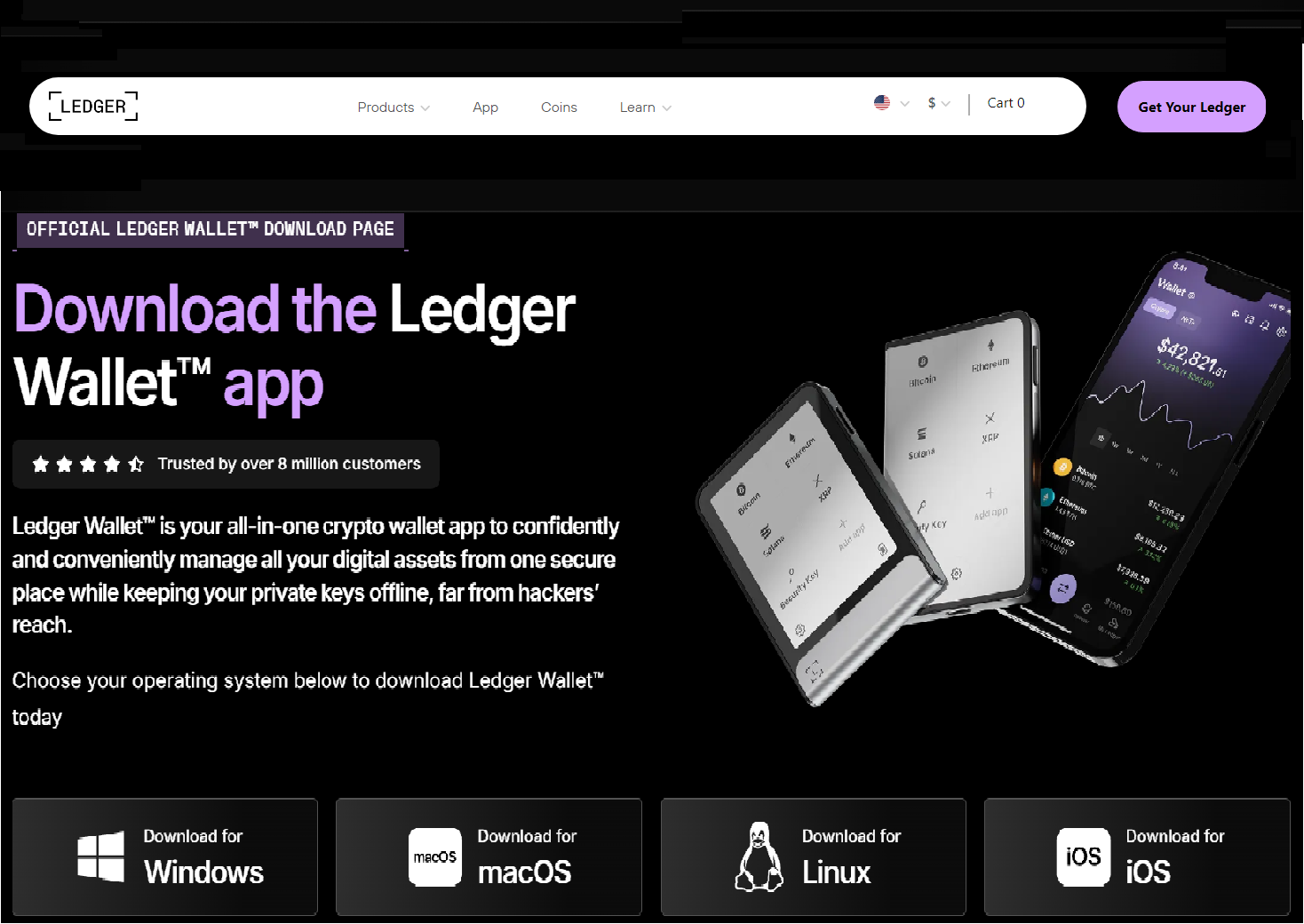
Ledger Live Desktop: Complete Guide to Desktop Wallet Management
Ledger Live Desktop gives users a computer-based interface for interacting with compatible Ledger hardware wallets and managing supported cryptocurrency accounts. Instead of handling wallet activity through several separate tools, users can access account information, portfolio details, transactions, device applications, and other supported features from one desktop environment.
For anyone searching for Ledger Live Desktop, Ledger Live app, Ledger wallet, or Ledger hardware wallet information, understanding how the desktop software and physical device work together is a useful starting point.
What Is Ledger Live Desktop?
Ledger Live Desktop is Ledger's desktop software for compatible hardware wallets. It provides a visual interface for connecting a Ledger device and managing supported accounts and digital assets.
The application can help users view account balances, review transaction activity, manage supported blockchain applications, and access available wallet features.
The functionality available to each user can vary depending on the Ledger device, operating system, supported cryptocurrency, and current software version.
Ledger Live Desktop and the Hardware Wallet
The desktop application and Ledger hardware wallet have different roles.
Ledger Live Desktop provides the interface through which users interact with their accounts. The physical Ledger device provides an additional security layer and is involved in supported authorization and confirmation processes.
This means installing the desktop application does not replace the need for the hardware device. Both components can work together as part of the Ledger wallet experience.
Getting Started With Ledger Live Desktop
Before using Ledger Live Desktop, prepare a compatible Ledger hardware wallet and supported computer.
Download the desktop application from an official Ledger source and complete the installation. Once the application opens, follow the setup instructions presented on screen.
The onboarding process can vary according to your Ledger model and whether the device is new, already initialized, or being restored.
Connect Your Ledger Device
Connect the Ledger hardware wallet to the computer using a supported connection method.
After the device is recognized, Ledger Live Desktop can provide instructions for continuing with setup or account management.
Follow the instructions carefully and pay attention to the information displayed directly on the physical device.
If the application displays an unexpected request for sensitive information, stop the process and verify the request through official Ledger documentation.
Managing Accounts on Desktop
After connecting a compatible Ledger wallet, users can access supported cryptocurrency accounts through Ledger Live Desktop.
Depending on the available features, users can view balances, check transaction history, organize accounts, and access supported asset-management functions.
The list of supported assets and features can change over time, so compatibility should be checked using current official Ledger information.
Portfolio Monitoring
Ledger Live Desktop can provide a consolidated view of supported account and portfolio information.
A desktop interface can be useful for users who prefer a larger screen when reviewing balances, account activity, and transaction history.
Portfolio values can change as cryptocurrency prices move, so displayed values should be considered dynamic rather than fixed.
Sending and Receiving Crypto
Ledger Live Desktop can support sending and receiving transactions for compatible cryptocurrencies.
When receiving funds, verify the receiving address before giving it to the sender. When sending funds, carefully check the destination address, network, amount, and transaction details.
For transactions requiring hardware confirmation, review the information shown on the physical Ledger device before approving the operation.
This extra verification step is important because confirmed blockchain transactions may not be reversible.
Managing Device Applications
Some supported cryptocurrency networks require an application on the Ledger hardware wallet.
Ledger Live Desktop can provide tools for installing and managing compatible device applications. Available applications depend on the hardware model and current software support.
Follow the instructions provided by the application and avoid installing software from unofficial sources.
Ledger Live Desktop Security
Using desktop wallet software requires attention to both digital and physical security.
Keep your computer updated and use a trusted operating system environment. Download Ledger Live Desktop only from an official Ledger source.
Do not install wallet software from unknown download pages or links received through unsolicited messages.
Most importantly, never disclose your recovery phrase or device PIN to another person.
Protect Your Recovery Phrase
A wallet recovery phrase is highly sensitive information. It can potentially be used to restore access to a self-custody wallet on a compatible device.
Store your recovery information offline in a secure location. Do not enter it into websites, forms, email messages, support chats, or unknown applications.
If someone asks for your recovery phrase while claiming to provide Ledger support, do not provide it.
Ledger Live Desktop Login and Access
The term Ledger Live login is sometimes used when users are looking for instructions on accessing Ledger software.
Ledger Live Desktop works together with the physical Ledger hardware wallet. Depending on the operation, the user may need to connect and unlock the hardware device before proceeding.
Be cautious of websites that imitate Ledger and request a recovery phrase for a supposed login, verification, synchronization, or security process.
Keep wallet access under your direct control and use trusted Ledger resources when troubleshooting.
Software and Firmware Updates
Keeping supported Ledger software and device firmware current can help maintain compatibility with available features.
When updates are offered, use the official Ledger application or trusted Ledger resources. Avoid update files provided through unknown websites, emails, or social-media messages.
After an update, confirm that the desktop application recognizes your Ledger device normally.
Best Practices for Desktop Wallet Management
Use official Ledger software.
Keep your Ledger device physically secure.
Protect your PIN and recovery phrase.
Verify transaction details on the hardware device.
Check cryptocurrency addresses before sending funds.
Avoid suspicious wallet-related links.
Keep your desktop operating system and trusted wallet software updated.
Never enter recovery information into an unfamiliar website or application.
These practices can help establish safer habits when using Ledger Live Desktop.
Why Use Ledger Live Desktop?
A desktop interface can make wallet management convenient for users who prefer working from a computer. Ledger Live Desktop brings supported account information, portfolio monitoring, transactions, device applications, and other functions into one environment.
At the same time, the Ledger hardware wallet remains an important part of the security workflow for supported operations.
Final Thoughts
Ledger Live Desktop provides a centralized desktop interface for users managing compatible Ledger hardware wallets and supported digital assets. From viewing accounts and monitoring portfolio information to managing applications and confirming transactions, the software brings multiple wallet functions together.
For users searching for Ledger Live Desktop, Ledger Live app, Ledger wallet, or Ledger hardware wallet management, understanding the relationship between the desktop software and physical device is essential.
Use official Ledger software, protect your recovery information, and carefully verify every transaction on the hardware device before approving it.
Updated about 4 hours ago